New York Faces Historic Cold: Temperatures Colder Than Antarctica
New York City, a place synonymous with vibrant energy and bustling streets, has recently found itself in the icy grip of an extraordinary weather phenomenon. The metropolis, along with large swathes of the Northeastern United States, has been plunged into an unprecedented deep freeze, experiencing a level of cold that has astounded meteorologists and residents alike. With wind chill values plummeting to levels colder than some parts of Antarctica, the city is under a severe weather alert, prompting widespread concern and emergency measures. This historic spell of
frío nueva york has transformed the urban landscape into a treacherous, icy realm, testing the resilience of millions.
An Unprecedented Arctic Blast Grips the Metropolis
The dramatic drop in temperatures marks the arrival of the most intense arctic air mass of the winter season, sweeping across the region with relentless force. This severe weather alert, primarily for dangerously low wind chill, came into effect over the weekend, impacting not just New York City but also extending its icy reach to neighboring New Jersey and Connecticut. The National Weather Service (NWS) issued stark warnings as wind chill values were projected to oscillate between a bone-chilling -15 and -30 degrees Celsius (or even lower in Fahrenheit equivalents), making outdoor exposure incredibly perilous.
What makes this cold snap particularly alarming is the comparison to Earth’s coldest continent. For residents of New York, the *felt* temperature — the wind chill — has truly made parts of the city feel colder than typical conditions in Antarctica. This isn't just a dramatic turn of phrase; it's a stark indicator of the extreme risk of frostbite and hypothermia for anyone caught unprepared. Strong winds have been a major factor, intensifying the sensation of cold and making the air feel significantly colder than the actual thermometer reading. These conditions necessitated a comprehensive response from city officials, urging residents to take every precaution against the life-threatening cold.
Blizzard Conditions and Record Snowfall Transform the Urban Landscape
Beyond the raw cold, New York City has also grappled with one of its most severe snowstorms in recent memory. Following closely on the heels of the arctic blast, a powerful winter storm unleashed a deluge of snow, transforming the iconic skyline into a pristine, yet challenging, white canvas. From Sunday evening into Monday, the Gran Manzana experienced substantial snowfall, with total accumulations generally ranging between 18 to 24 inches across the metropolitan area of New York and New Jersey. Specific localities, particularly parts of Long Island, saw even more staggering totals, with snow depths exceeding two feet.
The snowfall began lightly but intensified dramatically overnight, reaching peak rates of up to three inches per hour, according to meteorological reports. This heavy accumulation was compounded by powerful coastal gusts, frequently blowing between 35 and 60 miles per hour (56-97 km/h), generating prolonged blizzard conditions. These intense winds, combined with heavy snow, created "whiteout" conditions where visibility dropped to less than a quarter-mile, rendering travel "dangerous or impossible." Initially, the snow was heavy and wet, but as temperatures continued to plummet on Monday morning, it became drier and more powdery, making it more susceptible to being shifted by the fierce winds, leading to widespread drifting.
This storm marked the second significant snowfall for the city in less than a month and, more notably, the first true blizzard experienced in New York City since 2016. The combination of intense snowfall, powerful winds, and historic cold created a truly challenging environment for residents and emergency services alike. For a detailed look at the snow accumulations and their impact, read more about
NYC Braces for Brutal Snowstorm: Up to 24 Inches Expected.
A City Under Siege: Emergency Measures and Public Safety Warnings
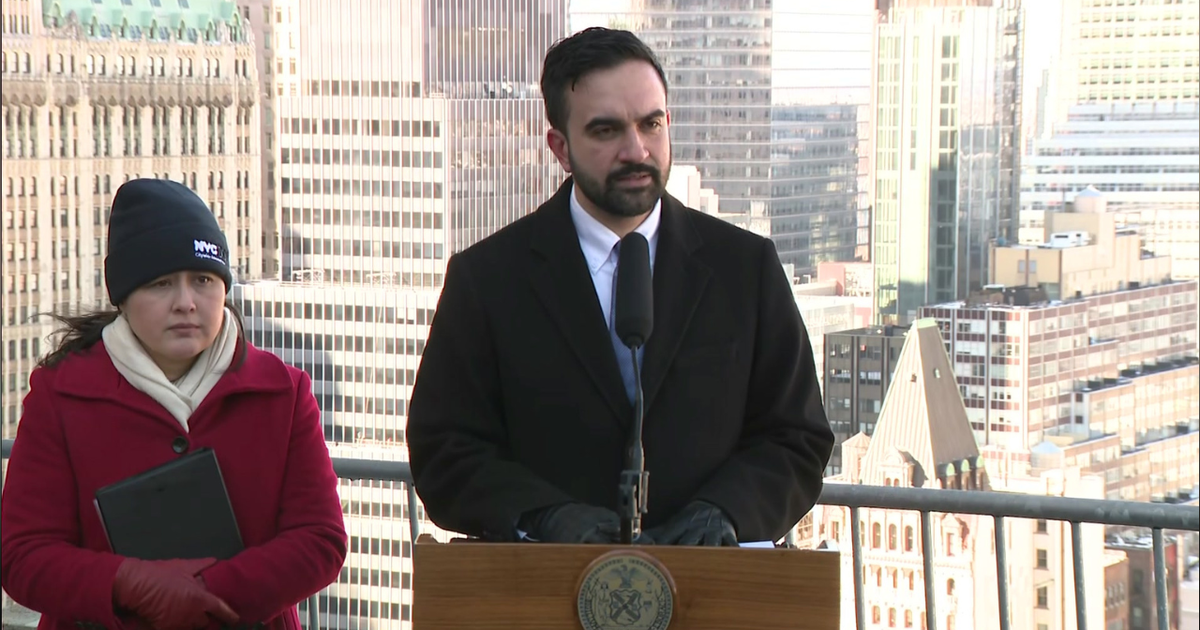
In response to the dual threat of extreme cold and heavy snowfall, city officials moved swiftly to declare a state of emergency across New York City, Long Island, and large portions of New Jersey, including Orange and Putnam counties in the Lower Hudson Valley. The Mayor of New York City issued urgent pleas to the public, emphasizing the extreme danger of the conditions and requesting that all citizens stay indoors and avoid unnecessary travel. The Monday morning commute, in particular, was highlighted as being extremely perilous due to icy roads, reduced visibility, and the ongoing blizzard.
To ensure the safety and well-being of its most vulnerable citizens, the city activated its "Code Blue" protocol, guaranteeing that no one seeking shelter would be turned away from warming centers or homeless shelters. Additionally, authorities mobilized a vast network of support, including 18 warming buses, 11 designated spaces within hospitals, and 13 centers set up in schools to provide safe refuge from the biting
frío nueva york. The Department of Sanitation of NYC (DSNY) prepared extensively, deploying over 2,200 vehicles equipped with plows, 700 salt spreaders, and contracting nearly a thousand emergency workers to aid in snow removal efforts. This monumental logistical undertaking was crucial in attempting to keep essential services operational and maintain some semblance of normalcy amidst the chaos. For further insights into the city's comprehensive response, you can explore
Extreme Weather Alert NYC: Arctic Blast and Dangerous Blizzards.
Navigating the Extreme Frío Nueva York: Essential Safety Tips
Surviving and thriving during such an extreme weather event requires vigilance and preparedness. The following practical tips are crucial for residents to protect themselves and their loved ones from the perils of severe cold and blizzard conditions.
Protecting Yourself from the Cold
- Layer Up: Wear multiple layers of loose, warm clothing. This traps air, providing better insulation. Always include a waterproof and windproof outer layer.
- Cover Exposed Skin: Hats, gloves, scarves, and insulated boots are non-negotiable. Frostbite can occur quickly in extreme wind chill conditions.
- Stay Hydrated and Nourished: Drink plenty of warm liquids and eat hot, caloric meals to help your body maintain its core temperature.
- Recognize Warning Signs: Be aware of the symptoms of hypothermia (shivering, confusion, drowsiness, slurred speech) and frostbite (numbness, white or grayish skin, waxy appearance). Seek immediate medical attention if these symptoms appear.
- Limit Outdoor Exposure: Minimize time spent outdoors. If you must go out, inform someone of your plans and estimated return time.
Home Safety During a Blizzard
- Check Heating Systems: Ensure your heating system is functioning correctly. If using space heaters, keep them away from flammable materials and never leave them unattended.
- Prevent Carbon Monoxide Poisoning: If using alternative heating sources, ensure proper ventilation. Carbon monoxide detectors are essential.
- Prepare an Emergency Kit: Stock up on non-perishable food, bottled water, medications, a flashlight with extra batteries, a battery-powered radio, and a first-aid kit.
- Keep Devices Charged: Ensure cell phones and other communication devices are fully charged in case of power outages.
- Clear Snow Responsibly: When shoveling snow, take frequent breaks, stay hydrated, and be aware of the physical strain. Avoid overexertion, especially if you have underlying health conditions.
Road Safety and Travel
- Avoid Non-Essential Travel: The safest option during blizzard and whiteout conditions is to stay home.
- If Travel is Necessary:
- Ensure your vehicle is fully fueled and in good working condition.
- Pack a car emergency kit: blankets, flashlight, first-aid kit, jumper cables, shovel, sand or kitty litter for traction, and snacks.
- Inform others of your route and expected arrival time.
- Drive slowly, maintain extra distance between vehicles, and be extremely cautious of black ice, which is nearly invisible.
- Public Transport: Check for service disruptions and delays before attempting to use public transportation.
Conclusion
The historic cold and blizzard conditions that have swept across New York City and the wider Northeastern region serve as a powerful reminder of nature's formidable strength. From wind chills rivaling Antarctica to record snowfall totals that brought the city to a standstill, the challenges have been immense. Yet, the rapid response from city officials and the collective resilience of New Yorkers in adapting to these perilous conditions highlight the enduring spirit of the metropolis. As the region slowly emerges from the grip of this extreme
frío nueva york, the emphasis remains on safety, preparedness, and community support, ensuring that lessons learned from this historic event contribute to a more robust and resilient future for all.